
 English
 繁體中文
繁體中文 简体中文
简体中文
Enhancing High-Speed Railway Safety: The Implementation of Electronic Fences of Smart Infrared Towers
In the realm of high-speed rail projects, ensuring the safety of working areas adjacent to the tracks is paramount. To safeguard both personnel and high-speed trains,
the adoption of advanced electronic fencing technology has emerged as an imperative choice, particularly in areas demanding heightened vigilance and protection.
Advantages of Advanced Anti-Interference Infrared Detectors:
Within the track-side working area of high-speed rail projects, the cornerstone of electronic fencing lies in high-end anti-interference infrared detectors like the
2PB-150AD. This cutting-edge anti-interference technology renders it exceptionally stable for deployment in environments prone to high-voltage electrical interference
near the tracks.
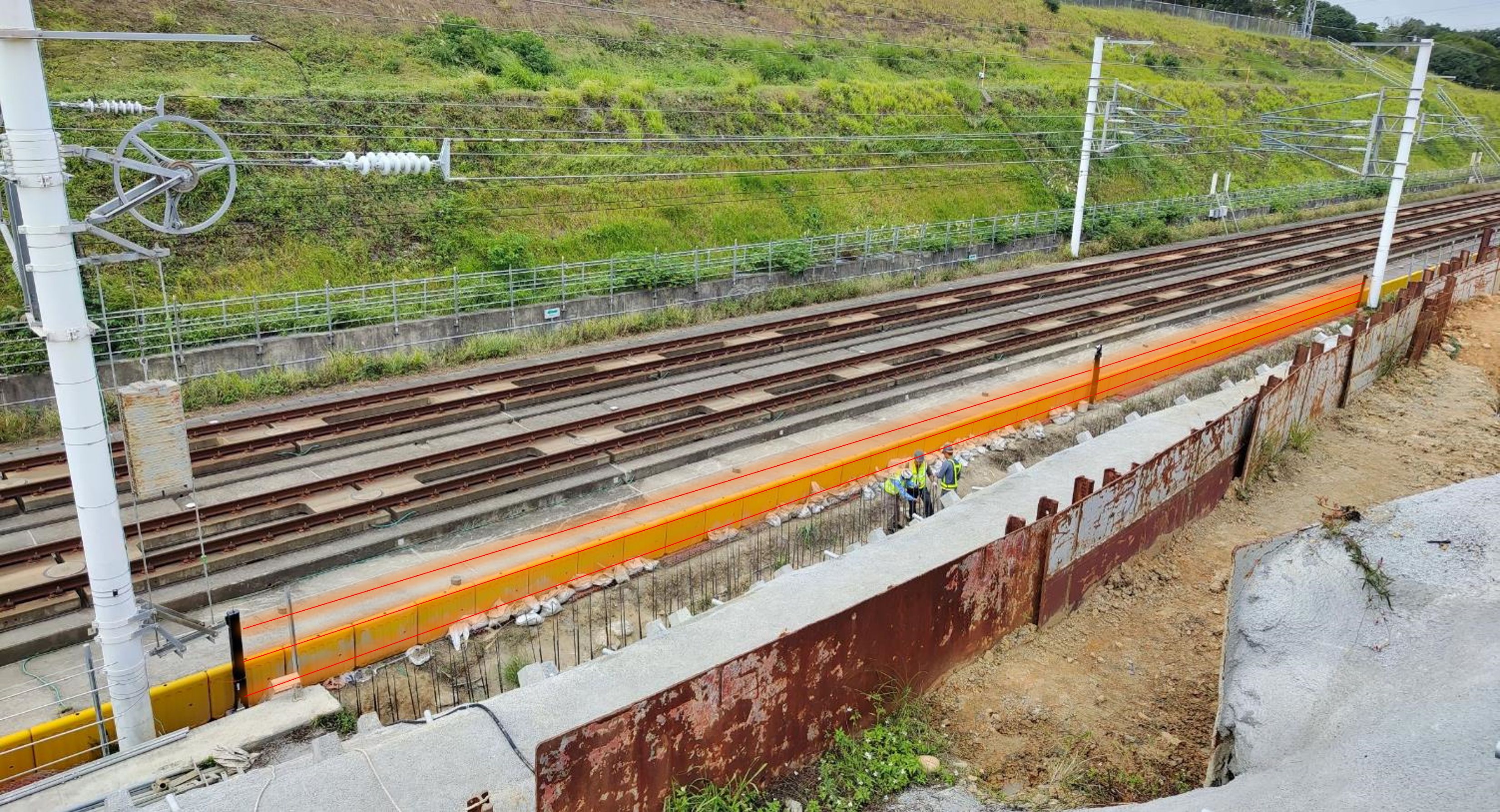
1. Swift Detection and Precise Alarming:
Instant detection capabilities of the infrared detectors enable them to promptly identify any object breaching the virtual boundary. This proves critical in track-side working areas,
where personnel may operate machinery in close proximity to the tracks, necessitating swift responses to mitigate safety hazards. Upon intrusion into the danger zone,
the system promptly dispatches precise alarms, allowing ample time for emergency responses.
2. Flexibility and Adaptability:
The tower infrared electronic fence offers remarkable flexibility in configuration, allowing adjustments to suit the specific conditions of the track-side working area.
This adaptability ensures stable and reliable safety protection, even in high-speed rail environments characterized by complex terrain.
3. Versatility Across Environments:
Infrared technology exhibits consistent performance across diverse environments, functioning reliably amidst extreme weather conditions such as typhoons and heavy rains,
whether during daytime or nighttime. This affords all-weather safety protection for high-speed rail projects, ensuring personnel safety during routine operations and special projects alike.
Practical Case: Successful Implementation in High-Speed Railway Track-Side Working Areas:
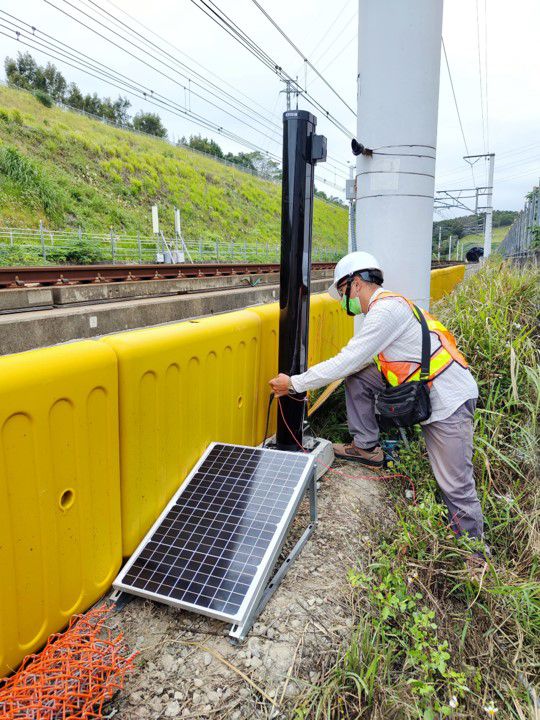
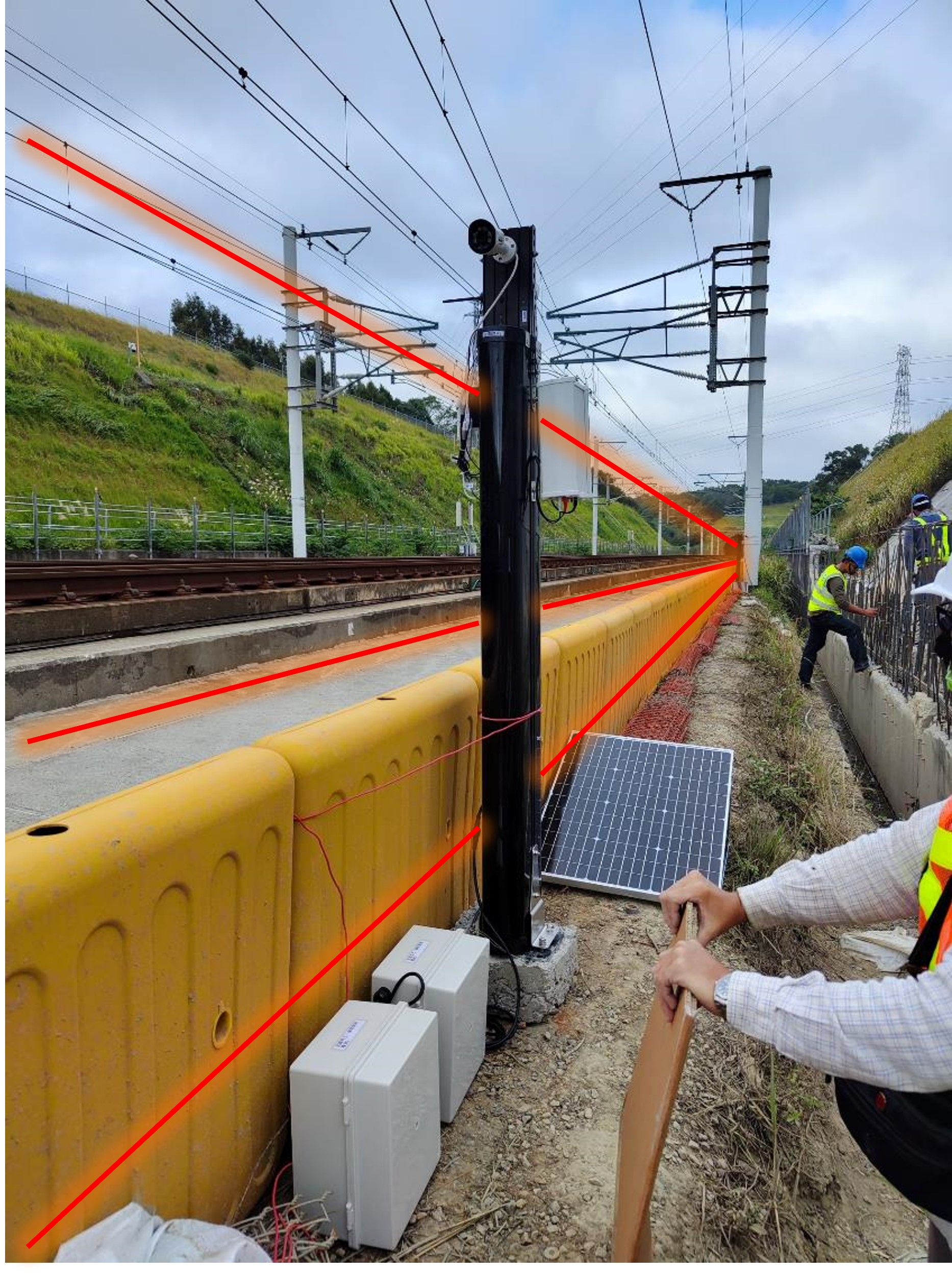
Recent high-speed rail project track construction zones have witnessed remarkable success with the application of infrared electronic fencing technology. Its highly sensitive
detection capabilities enable trackside workers to safely conduct necessary tasks while high-speed trains are in operation. Moreover, this technology plays a pivotal role in
mitigating accident risks and enhancing work efficiency.
Conclusion:
The installation of electronic fences in track-side working areas of high-speed railway projects, particularly the utilization of infrared detectors as evidenced by practical cases,
sets new safety benchmarks in the high-speed railway domain. This advanced technology not only enhances work efficiency but also ensures that engineering personnel and
infrastructure receive the utmost protection during high-speed rail operations. With the relentless advancement of science and technology, such innovative applications will
continue to drive the evolution of high-speed rail engineering safety standards.